TradingView Alerts for Crypto Portfolios
Connect your TradingView signals to your monitoring environment to detect key moves faster, structure your decisions, and react with more discipline.
Never miss an important signal again
In a constantly moving market, the difference is not only in analysis, but in the ability to detect the right signal at the right time.
The problem
Manually tracking all technical levels, breakouts, momentum signals, or market conditions quickly becomes inefficient, especially when a manager supervises multiple assets or portfolios.
CIYL's response
TradingView alerts transform market conditions into actionable signals, so you are notified at the right time and maintain a structured reading of opportunities and risks.
Alert customization
Alerts tailored to your strategy
Each alert can be configured according to your criteria: price, technical indicators, or specific conditions. You adapt notifications to your investment process.
- Alerts on price levels or key zones
- Conditions based on technical indicators
- Custom messages according to your strategies
- Suitable for multi-asset management
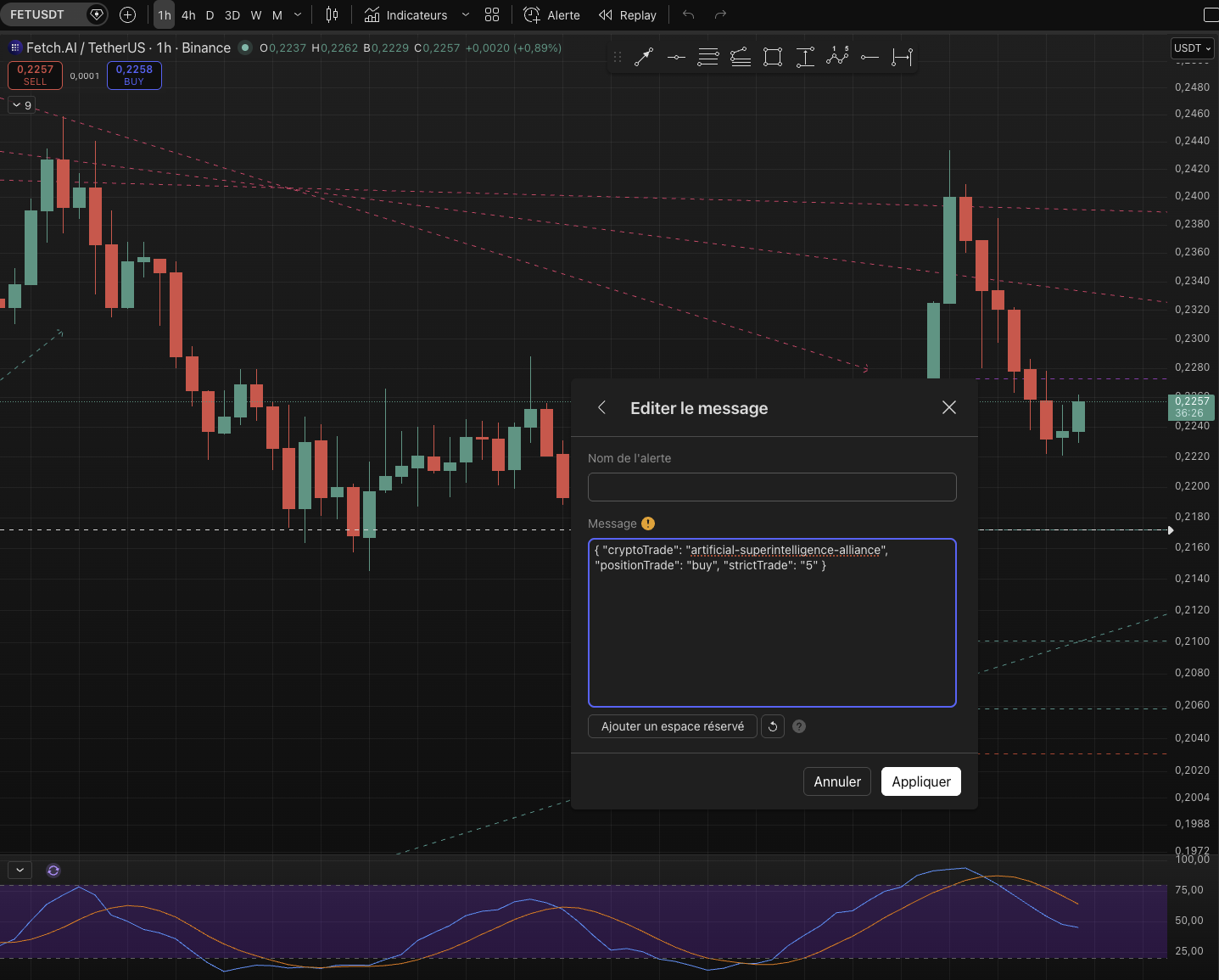
What are TradingView alerts for?
This feature automates surveillance of technical or strategic conditions defined in advance. Instead of constantly monitoring charts, the manager receives a signal when the market reaches a specific level or scenario.
- Be alerted when an asset reaches a key level
- Detect a breakout, reversal, or acceleration
- Reduce manual market monitoring
- Structure a more disciplined decision process
- Track multiple assets without losing responsiveness
Why this feature is essential
Enhanced responsiveness
Important signals rise immediately, reducing detection delays.
Investment discipline
Alerts rely on predefined rules, limiting impulsive decisions.
Scalable monitoring
The manager can track more assets and scenarios without proportionally increasing mental load.
Better risk reading
Alerts can also help quickly detect a context degradation or technical breakdown.
How alerts integrate into the process
1. Define conditions
The manager determines the levels, indicators, or scenarios to monitor according to their analysis method.
2. Receive the signal
An alert rises as soon as a condition is met, without having to constantly monitor the market.
3. Verify context
The signal is not an automatic decision. It serves as a trigger to analyze the situation with more precision.
4. Act with method
The manager can then confirm, ignore, or exploit the signal according to their allocation and risk framework.
Visual detection of market signals
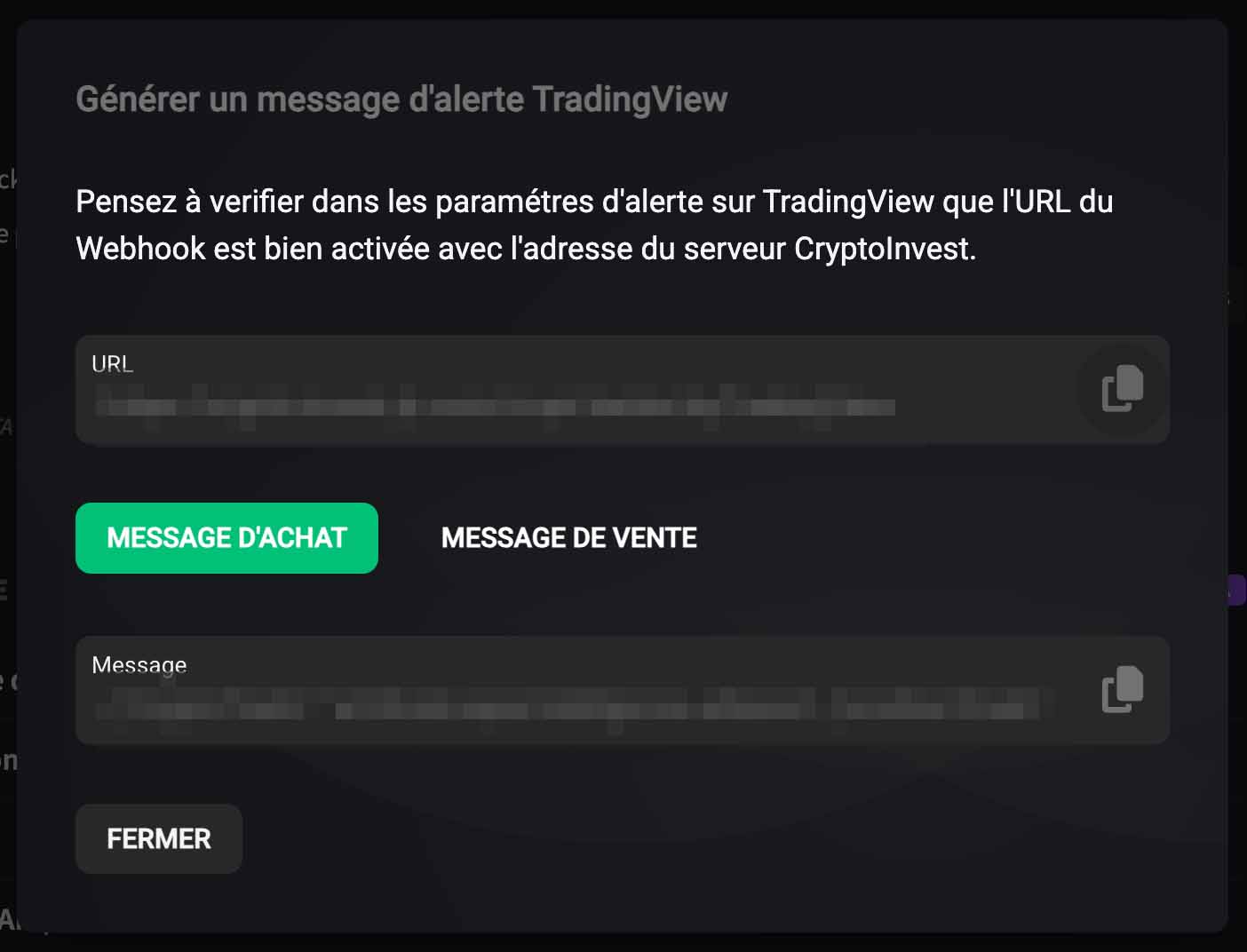
A signal at the right time
Alerts transform a technical or strategic condition into an actionable trigger. The manager no longer needs to continuously monitor charts.
- Notification as soon as a key level is reached
- Reduced mental load
- Better prioritization of opportunities
- Suitable for multi-asset tracking
What this feature concretely enables
- Monitor multiple assets simultaneously
- Receive signals on buy, sell, or invalidation zones
- Reduce forgetfulness linked to manual monitoring
- Structure more rigorous market surveillance
- Better prioritize truly relevant opportunities
Typical use cases

Disciplined monitoring of key levels
Be alerted when an asset reaches a strategic zone without having to constantly monitor charts.

More efficient multi-asset monitoring
Track multiple market scenarios in parallel and focus attention only on useful alerts.

More rigorous intervention framework
Frame market surveillance with objective signals rather than dispersed and reactive monitoring.
Complementary features
Complete market surveillance with other platform modules.

Multi-wallet tracking
Centralize multiple portfolios and keep a clear view of your positions across different accounts.

Smart multi-client trading
Transform a signal into structured execution across multiple clients with preview before validation.

In-depth analysis of each crypto asset
Complete your alerts with a structured reading of projects, their fundamentals, and their history.
Frequently asked questions
Do TradingView alerts automatically execute orders?
No. They primarily serve to signal a market condition. Decision and execution remain distinct.
Can multiple assets be monitored at the same time?
Yes. This is precisely the interest of this feature: extending surveillance capacity without multiplying operational friction.
Is a single alert enough to make a decision?
No. An alert is a review trigger. It improves responsiveness, but context analysis remains essential.
Why use alerts rather than simple manual monitoring?
Because they reduce forgetfulness, improve discipline, and allow tracking more assets in a structured way.
Transform your market signals into actionable alerts
TradingView alerts allow you to monitor more, react faster, and maintain a more rigorous investment process.